CAS Connection - Feb 2026 Issue

February 2026

CAS Connection newsletter logo
New food guidelines

Food pyramid turned upside down

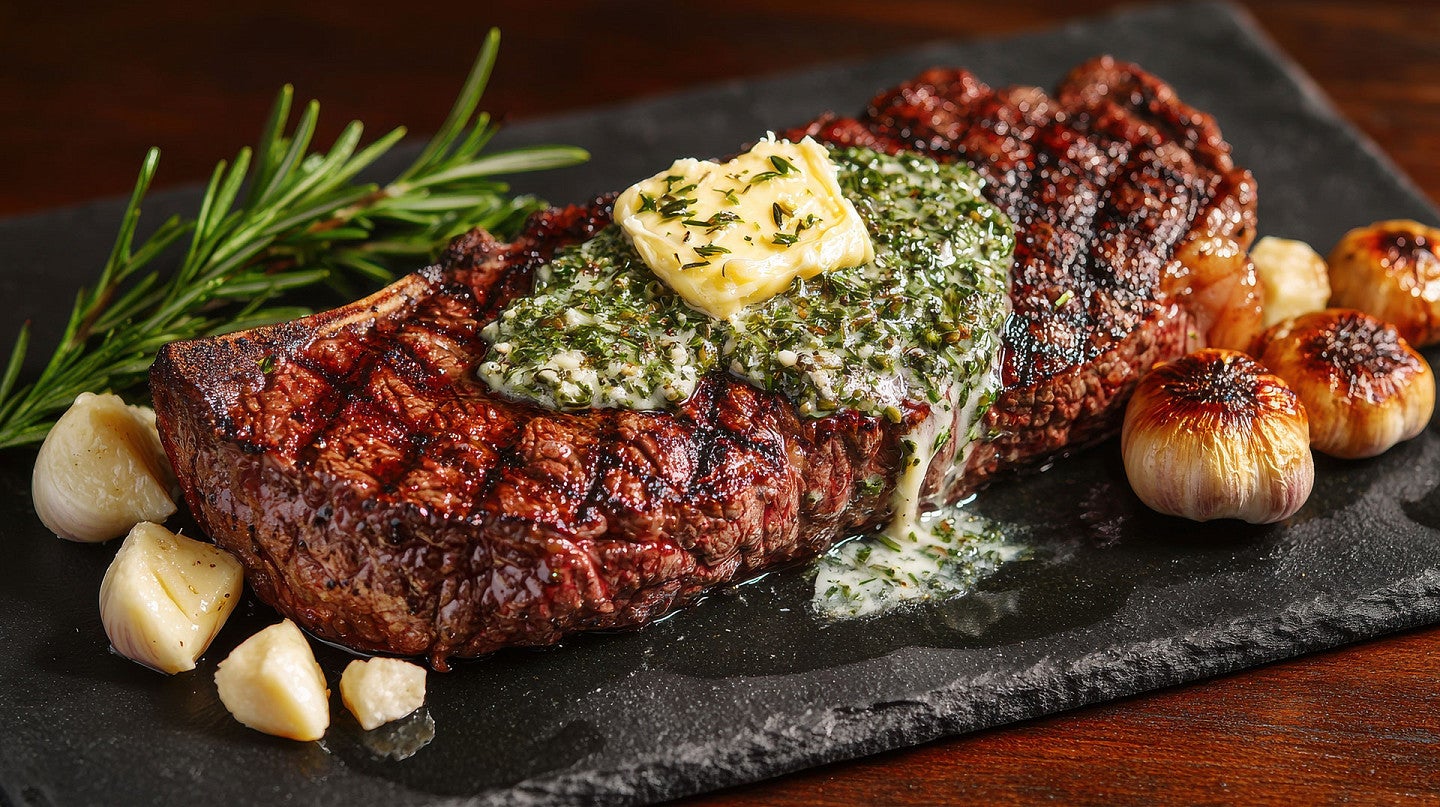
Latest dietary guidelines inverted the infamous pyramid, ignoring the science that has informed them for decades.

Get the Scoop on the New Guidelines

Experiential Learning  |  Research & Innovation  |  Community Impact  |  Career Preparation  |  Teaching Excellence  |  21st Century Liberal Arts  |  Building Community  |  Good Vibes  |  CAS Spotlights  |  All Stories  |  Past Issues
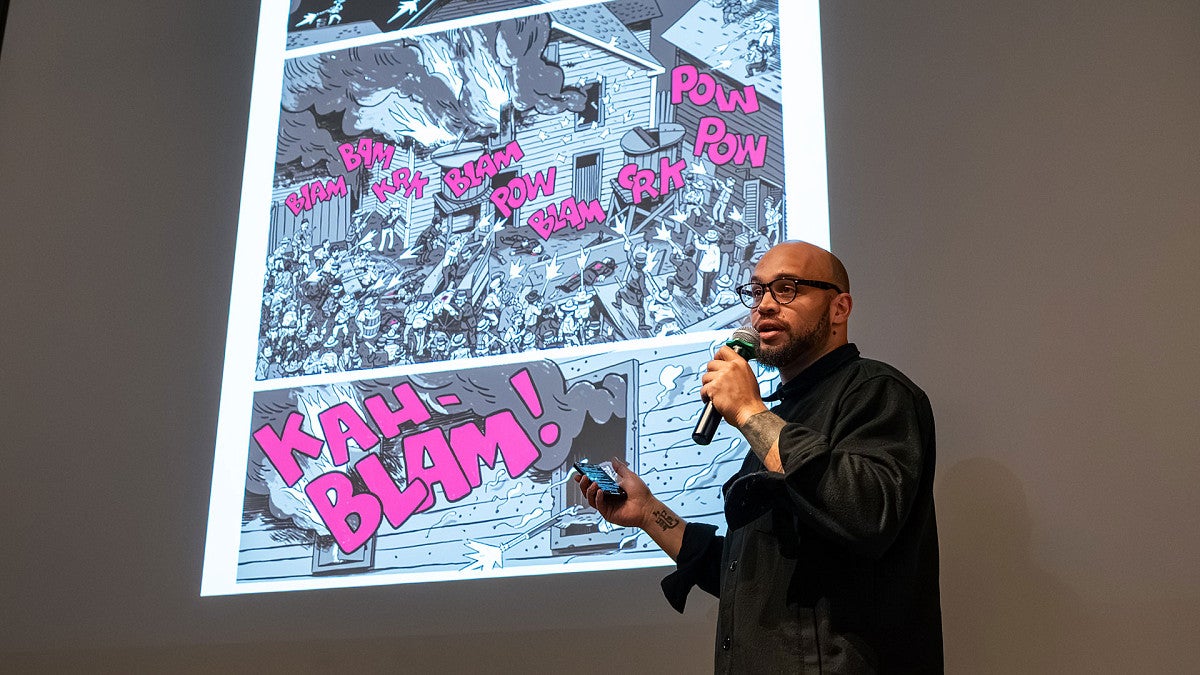
 

Comics artist Ben Passmore visited the Comics and Cartoon Studies Program

Community Impact

Why persistence is so important

Comics artist Ben Passmore visited the Comics and Cartoon Studies Program to inspire students to persist.

By Jenny Brooks
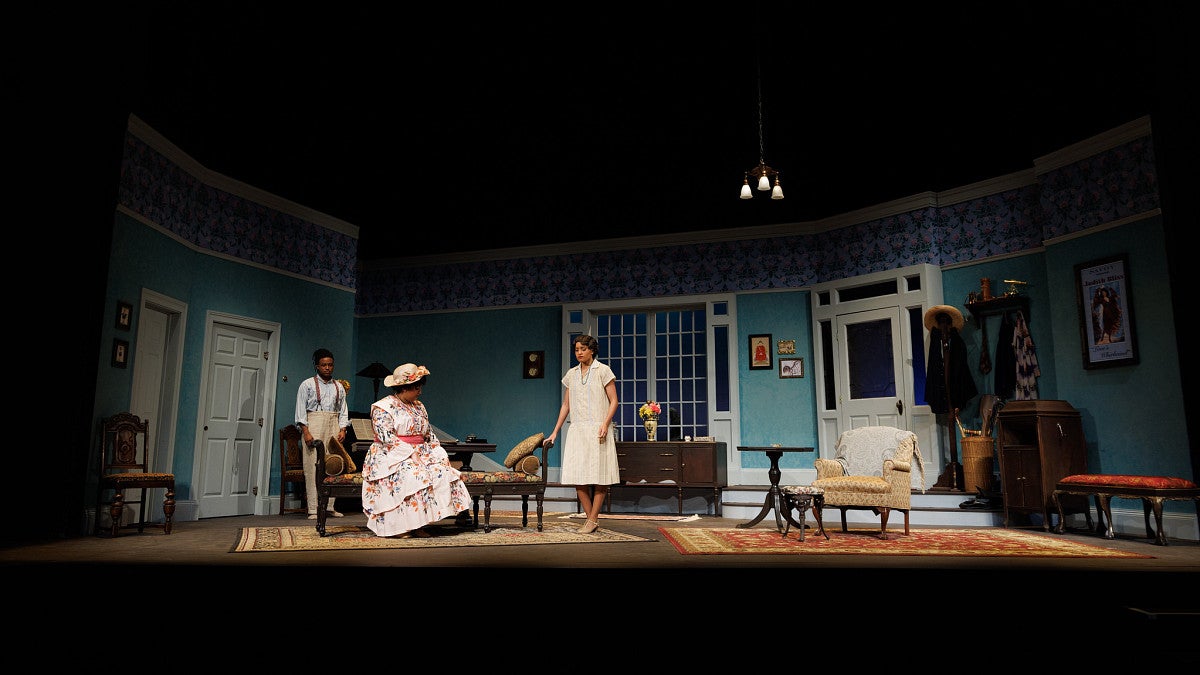
 Robinson Theatre reopens, marking a new chapter for University Theatre

Career Preparation

The big stage is back in rotation

University Theatre reopened the Robinson Theatre in February, opening more opportunities for students’ experiential learning.

By Harper Wells
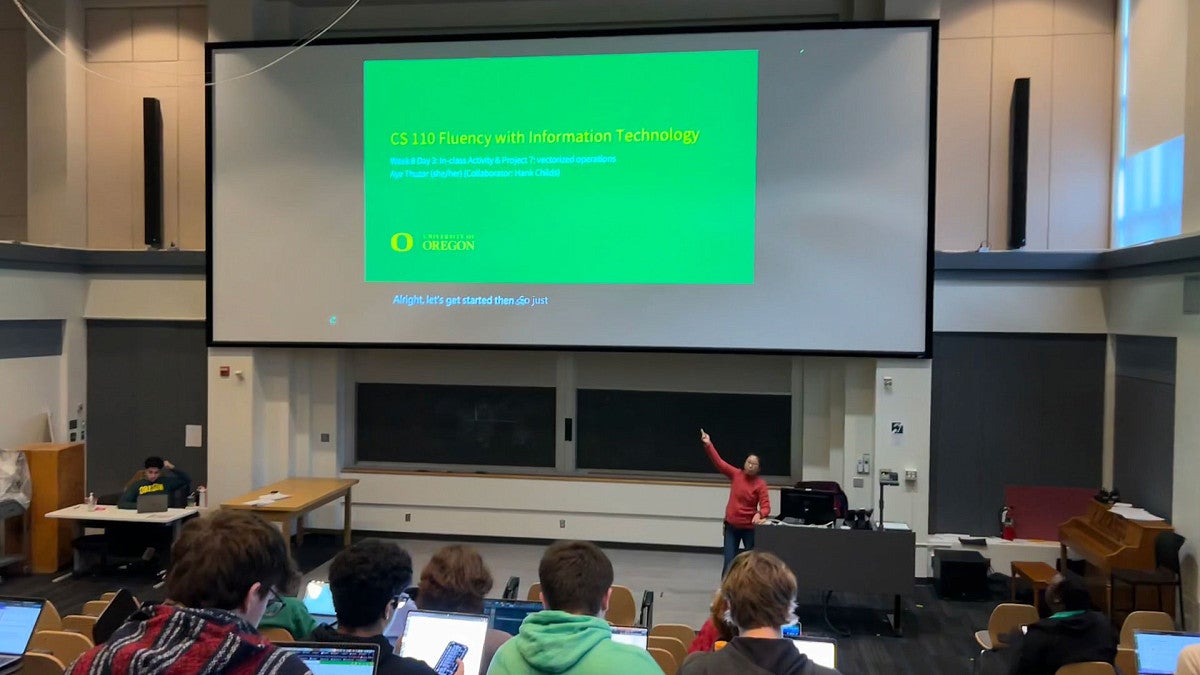
Students learn how to maximize AI

Teaching Excellence

Students learn how to maximize AI

Computer science professors are evolving class curriculum to teach students how to use AI to their advantage.

By Evan Ney
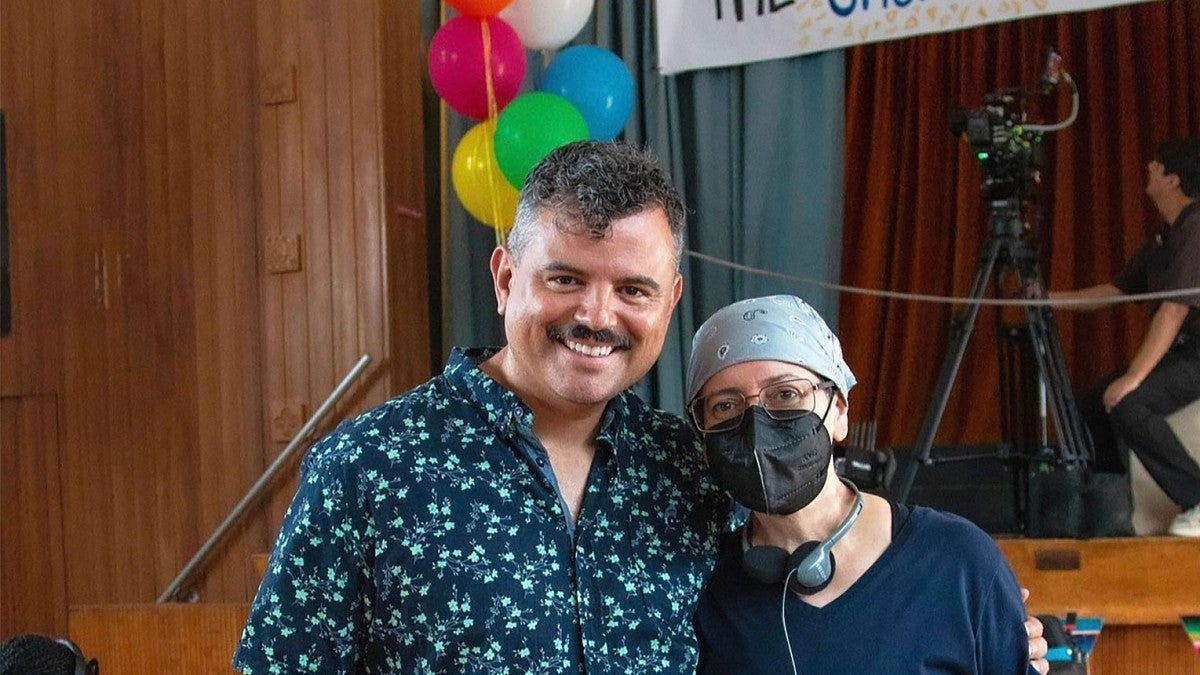
IRES Professor Ernesto Javier Martínez (left) with Los Angeles-based filmmaker Adelina Anthony (right) on set for his feature film project

Career Preparation

The right grant at the right time

CAS professor has big plans for the award that comes with the prestigious Oregon-based Fields Fellowship he received.

By Henry Houston
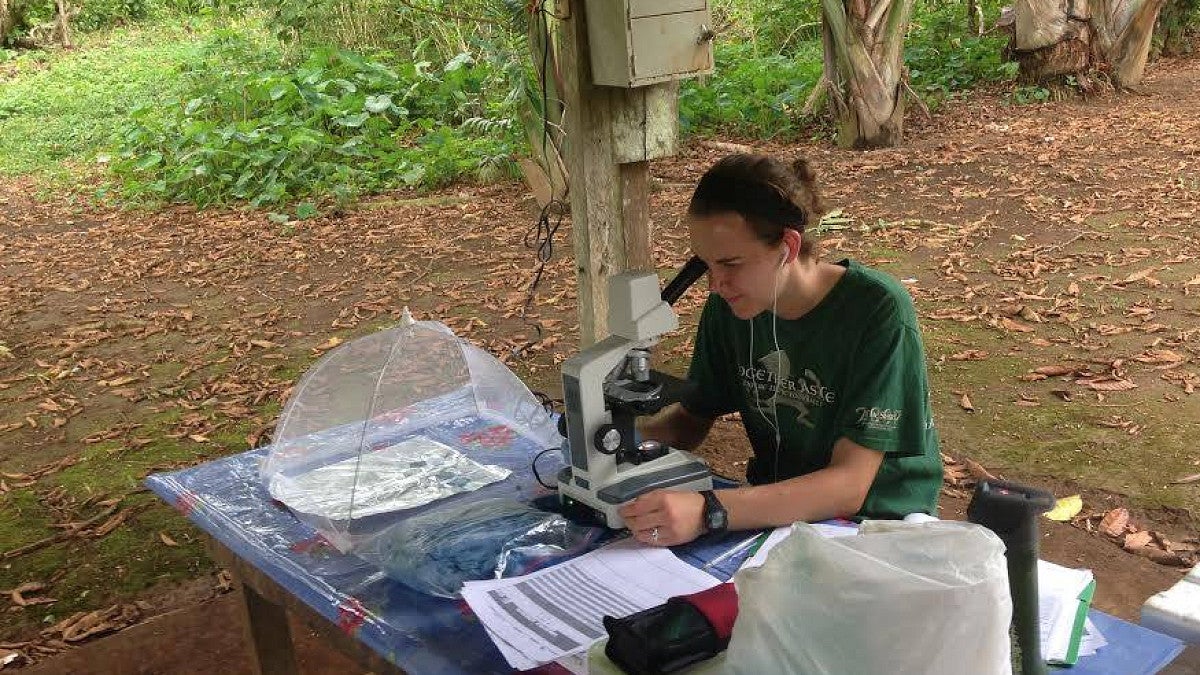

Theresa Gildner conducts field research with the College of Arts and Sciences-based Shuar Health and Life History Project

CAS Spotlight

Redefining anthropology

Theresa Gildner’s research in the Amazon as a doctoral student in anthropology led to publications and experience in conducting ethical field research. She continues that work as a Washington University faculty member.

By Maria Soto Cuesta
Learn the Amazon Difference

From the Media

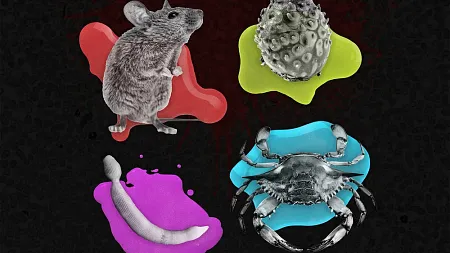
Humans are used to seeing red in blood — but red blood isn't universal in the animal kingdom. For some creatures, this vital fluid is purple; in others it’s yellow, green or even white. Smithsonian Magazine spoke with John Postlethwait, a developmental geneticist in the Department of Biology about Antarctic blackfin icefish of the family Channichthyida, the only known vertebrates that don’t make hemoglobin and do not have red blood cells. Their blood is a milky, translucent white. “They really are kind of ghostly," he said.
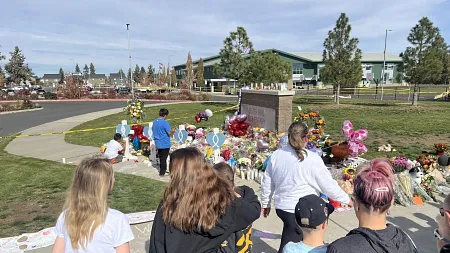
Nearly two weeks after the Oct. 15 shooting at a Bend-La Pine school, the shooter's absentee status from school raises questions about who should step in when kids don’t go to school and whether there are enough tools to pull them back to class. “There’s pretty strong evidence that rather than serving a deterring effect for these kids, justice system involvement is actually a promoter of delinquency,” CAS sociologist Stephanie Wiley told Bend Source Weekly.
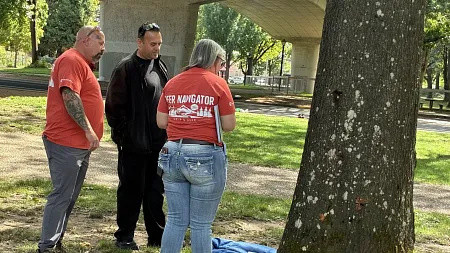
Eugene’s long-running mobile crisis service, CAHOOTS, shut down in the city more than a year-and-a-half ago. KLCC spoke with Rori Rohlfs, CAS data scientist and co-author of recent research about CAHOOTS. The nature of calls for welfare response changed and law enforcement responses changed, Rohlfs said. “After CAHOOTS stopped service, the arrest rate for those calls has doubled,” Rohlfs said.

All media news »

Find CAS on Instagram


UO College of Arts & Sciences (@uocas) • Instagram photos and videos

Connect with Us

Subscribe

CAS Connection is produced by the CAS Communications Department.

Got something to say? Send us your story ideas or contact us at CASConnection@uoregon.edu.

We know you don’t want to miss a single moment of CAS greatness. Stay plugged into the #CASCommunity by following us on your favorite channels.

Facebook icon Bluesky social media icon YouTube icon Instagram icon Linkedin icon