CAS Connection - September 2026 Issue

September 2026

CAS Connection newsletter logo
cas-connection-sep2026-emlet-nakata-oimb-event

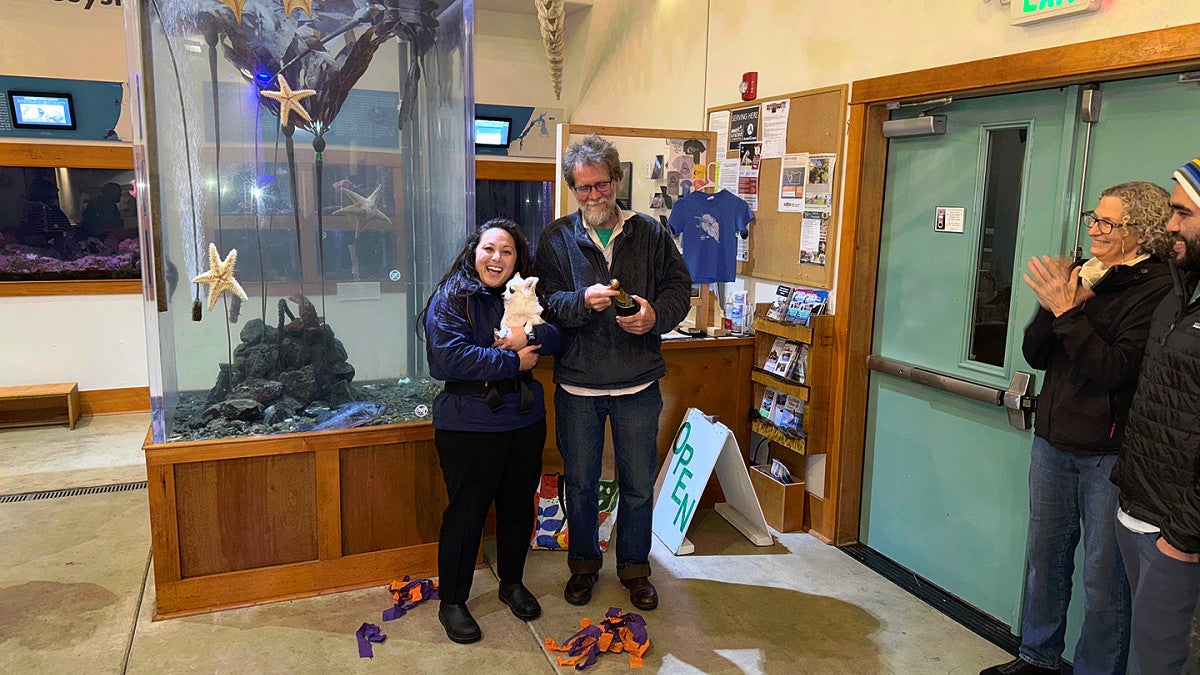
What makes marine biologists go bananas?

Answer: Discovering new species of brittle star plankton and documenting unstudied larval forms.

By Henry Houston

Learn about the 'Babies of the Sea

Experiential Learning  |  Research & Innovation  |  Community Impact  |  Career Preparation  |  Teaching Excellence  |  21st Century Liberal Arts  |  Building Community  |  Good Vibes  |  CAS Spotlights  |  All Stories  |  Past Issues
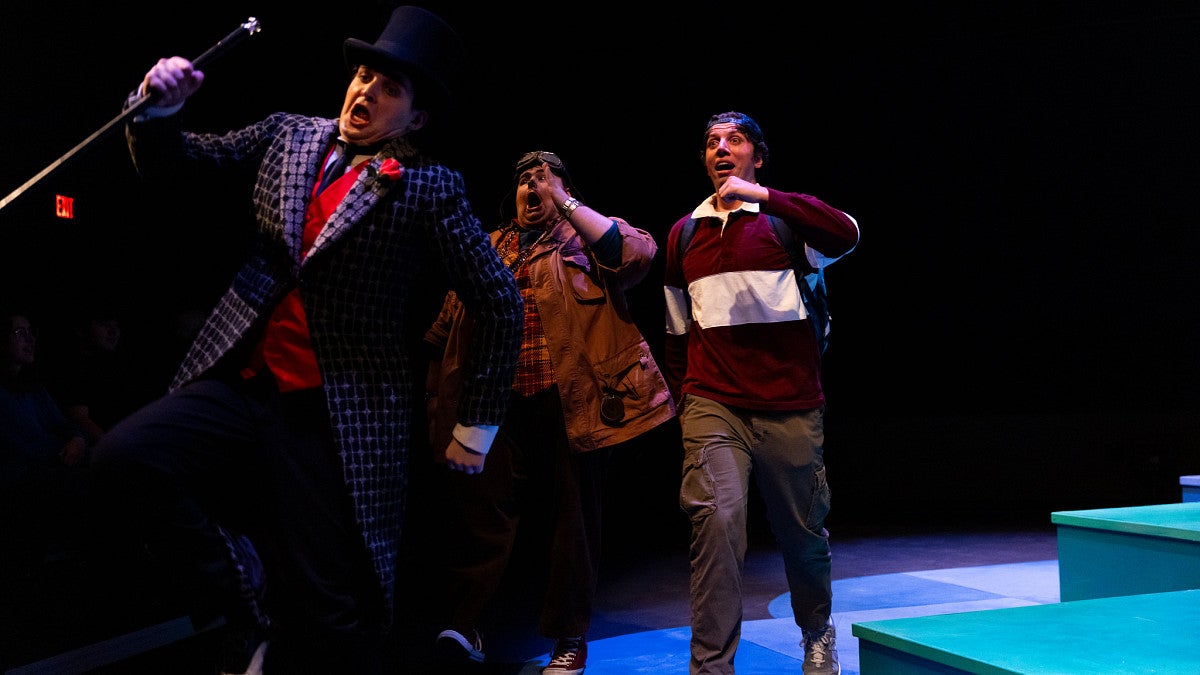
three actors dance and sing on stage for university theatre's performance of phantom tollbooth

Experiential Learning

What happens when things go terribly wrong?

The four shows in the 2026-2027 season for University Theatre tackle that very question.

By Jenny Brooks
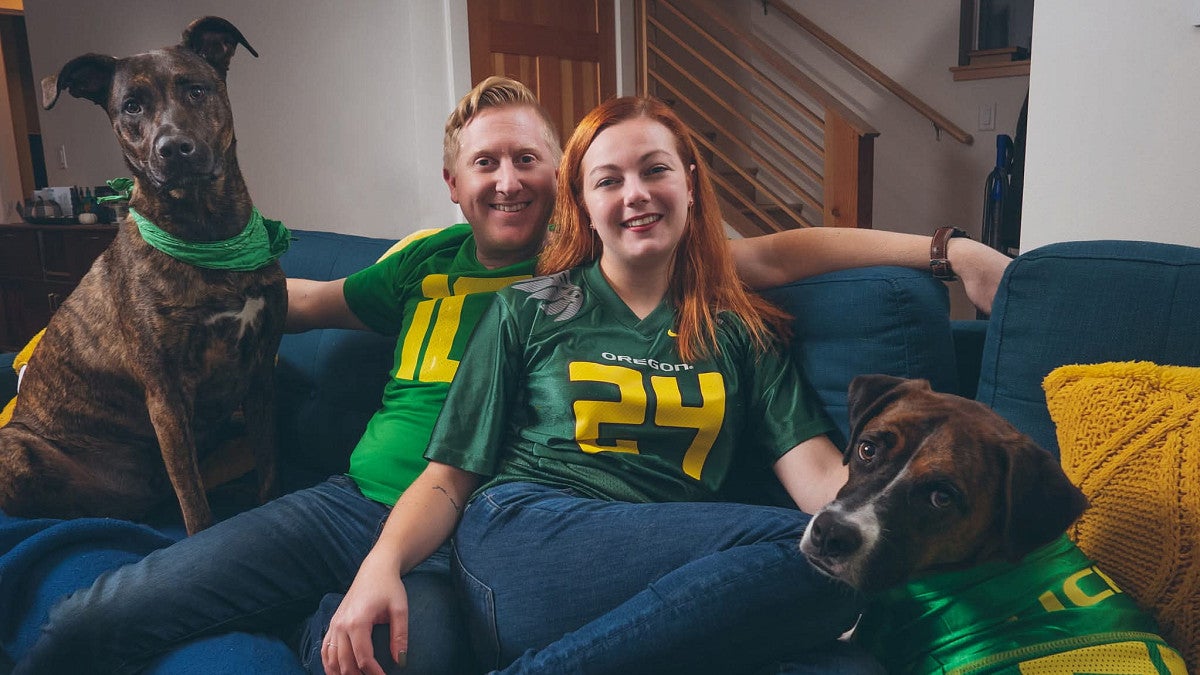
psychology alum mara sargent and her partners dressed in university of oregon gear sit on a couch with their dogs

CAS Spotlights

Psych alum has the secret to college success

While in school, Mara Sargent took advantage of every opportunity for personal and professional growth.

By Henry Houston
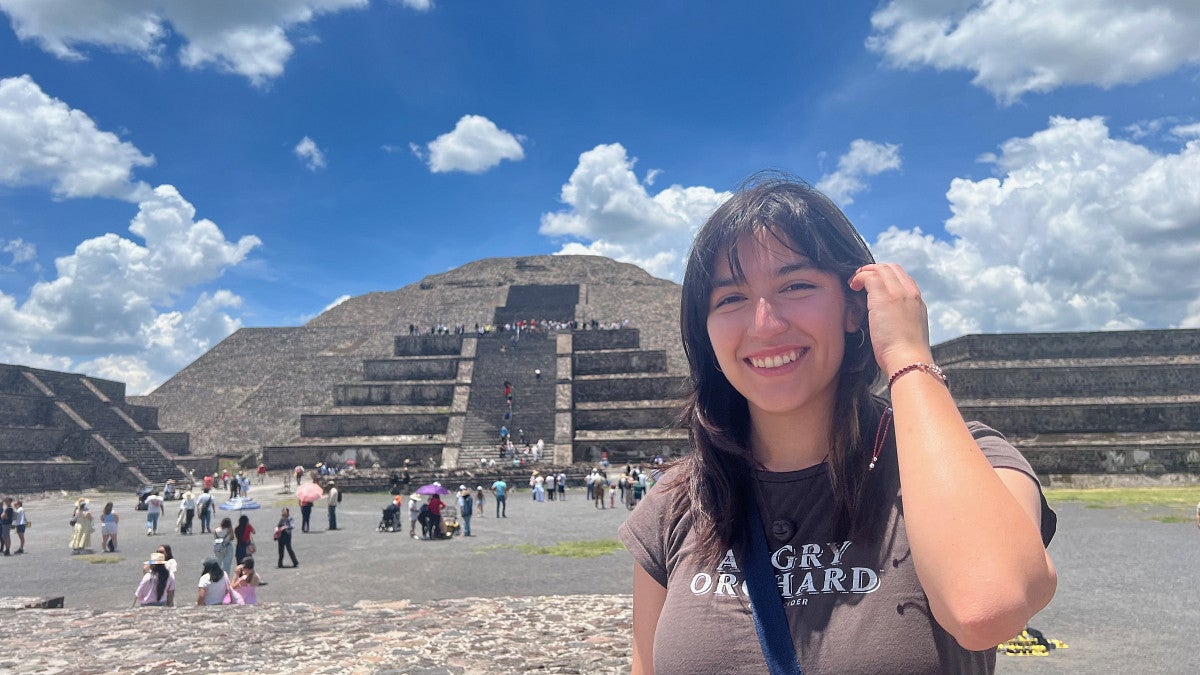
general social sciences major adri jolie standing in front of Chichén Itzá in mexico as part of her study abroad trip

Experiential Learning

Student shares why studying abroad is worth it

Adri Jolie spent her summer in Mexico absorbing the language and the culture.

By Jenny Brooks
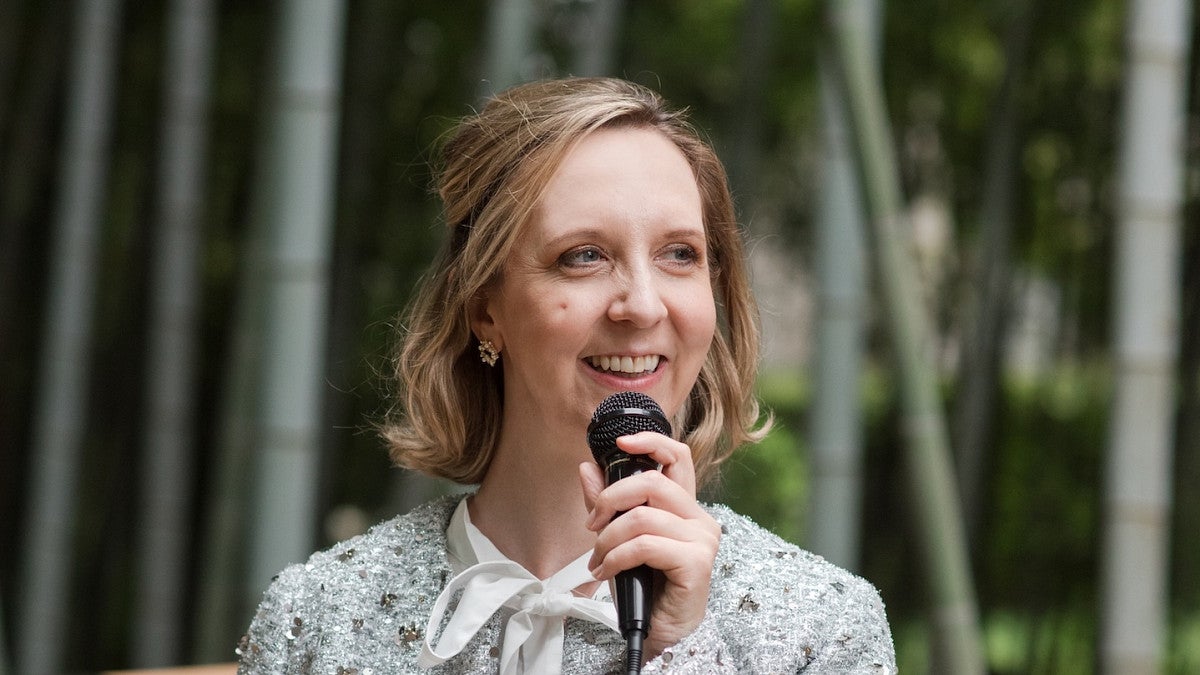
Meg Tsukamoto BA ’00 (Japanese)

CAS Spotlights

How this alum learned to make Japan her home

Meg Tsukamoto has lived in Japan for 25 years and works in a niche she uniquely fits.

By Jenny Brooks
From the Media

Humans are used to seeing red in blood — but red blood isn't universal in the animal kingdom. For some creatures, this vital fluid is purple; in others it’s yellow, green or even white. Smithsonian Magazine spoke with John Postlethwait, a developmental geneticist in the Department of Biology about Antarctic blackfin icefish of the family Channichthyida, the only known vertebrates that don’t make hemoglobin and do not have red blood cells. Their blood is a milky, translucent white. “They really are kind of ghostly," he said.
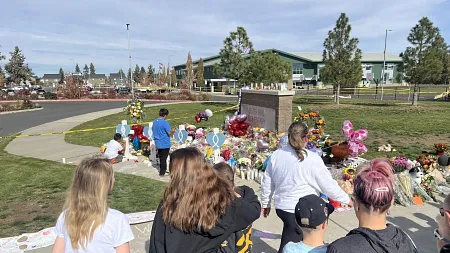
Nearly two weeks after the Oct. 15 shooting at a Bend-La Pine school, the shooter's absentee status from school raises questions about who should step in when kids don’t go to school and whether there are enough tools to pull them back to class. “There’s pretty strong evidence that rather than serving a deterring effect for these kids, justice system involvement is actually a promoter of delinquency,” CAS sociologist Stephanie Wiley told Bend Source Weekly.
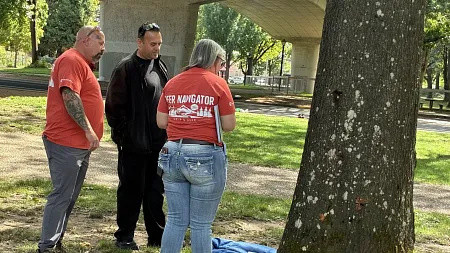
Eugene’s long-running mobile crisis service, CAHOOTS, shut down in the city more than a year-and-a-half ago. KLCC spoke with Rori Rohlfs, CAS data scientist and co-author of recent research about CAHOOTS. The nature of calls for welfare response changed and law enforcement responses changed, Rohlfs said. “After CAHOOTS stopped service, the arrest rate for those calls has doubled,” Rohlfs said.

All media news »

Find CAS on Instagram


UO College of Arts & Sciences (@uocas) • Instagram photos and videos

Connect with Us

Subscribe

CAS Connection is produced by the CAS Communications Department.

Got something to say? Send us your story ideas or contact us at CASConnection@uoregon.edu.

We know you don’t want to miss a single moment of CAS greatness. Stay plugged into the #CASCommunity by following us on your favorite channels.

Facebook icon Bluesky social media icon YouTube icon Instagram icon Linkedin icon