CAS Connection - Jan 2025 Issue

CAS Connection newsletter logo
Timothy Chadwick

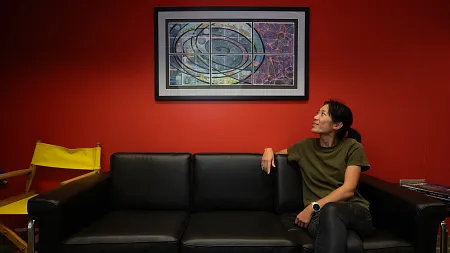
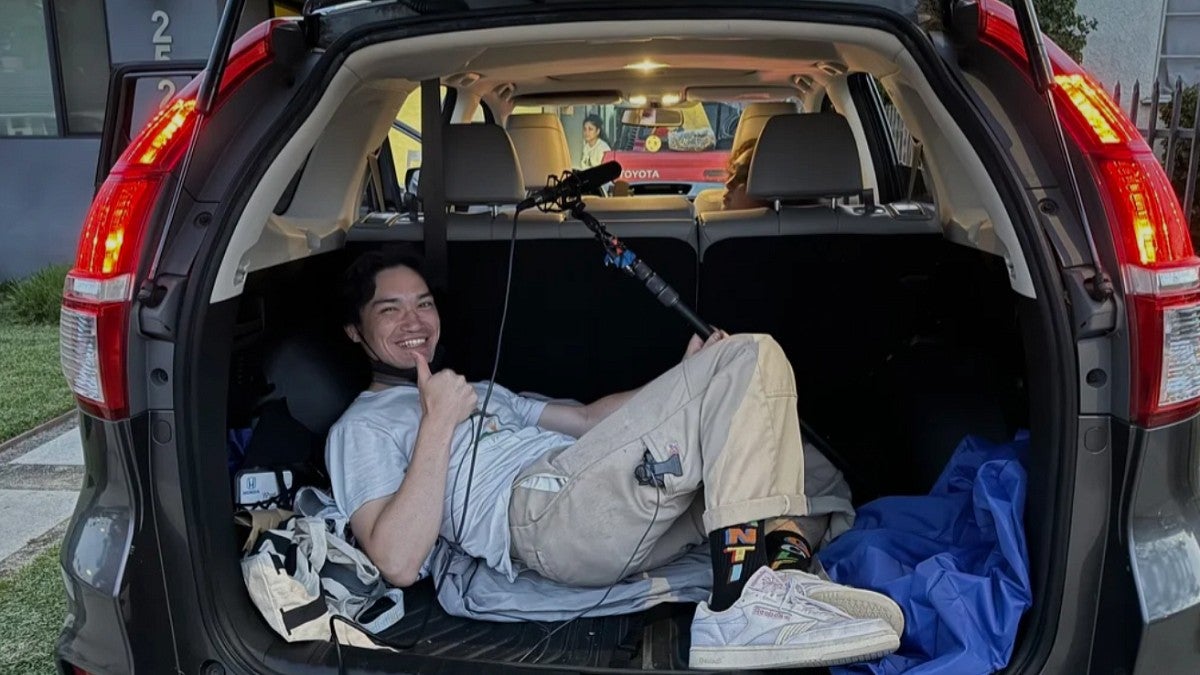
Serenade for La La Land

Cinema studies students gain show business experience working behind the scenes in
LA on the set of a CAS professor’s upcoming feature film, La Serenata.

By Henry Houston

Experiential Learning  |  Research & Innovation  |  Community Impact  |  Career Preparation  |  Teaching Excellence  |  21st Century Liberal Arts  |  Building Community  |  Good Vibes  |  CAS Spotlights  |  All Stories  |  Past Issues
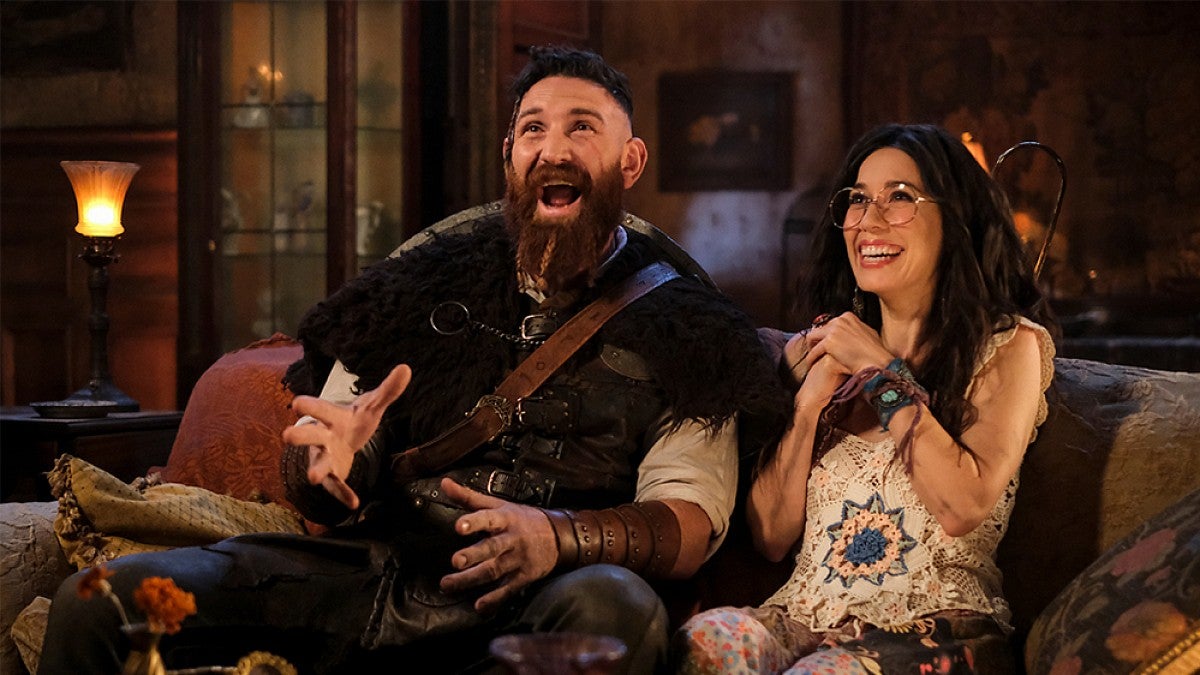
 

College of Arts and Sciences alum Devan Chandler on set of show ‘Ghosts.’

Good Vibes

Get Your
Winter Binge On

Need something to watch? Check out our list of movies and TV shows featuring CAS faculty and alumni.

By Nicole Krueger
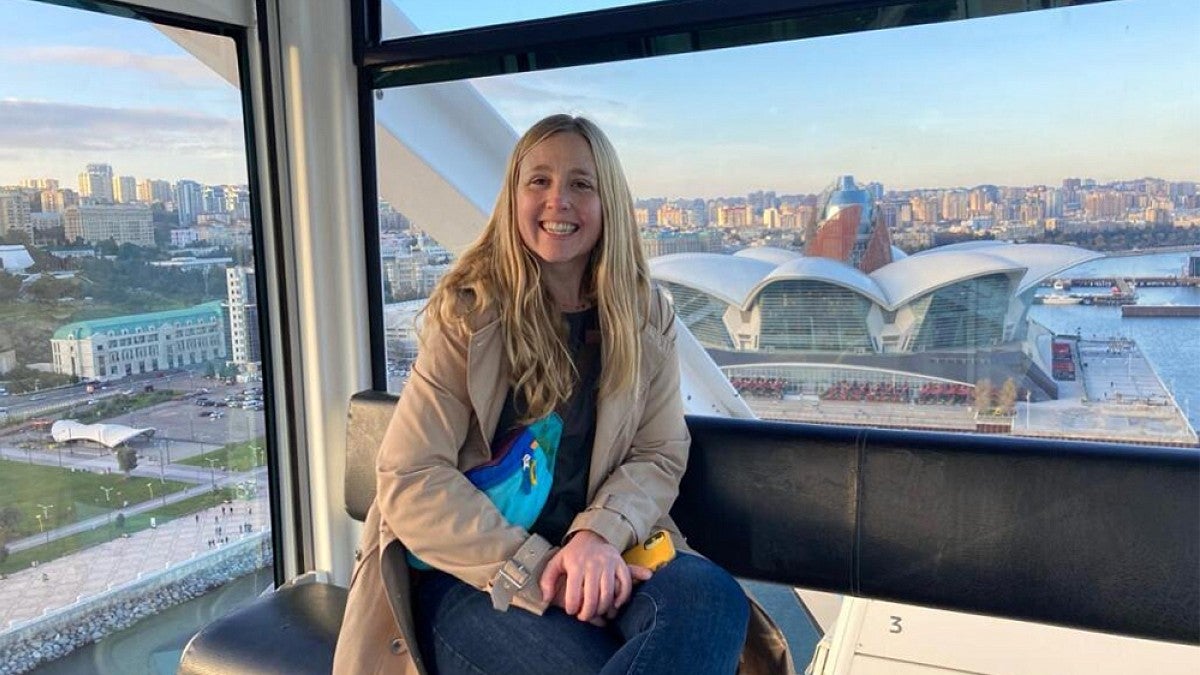
Kaley McCarty

CAS Spotlights

Growing Global
Connections

Environmental studies alumna Kaley McCarty attends the world’s biggest climate change conference.

By Grace Connolly

Newspaper clipping of an old article

All Stories

Fueling Cultural
Debates

Professor Mark Whalan explores how media coverage of a 1920s criminal trial sparked a national debate.

By Grace Connolly
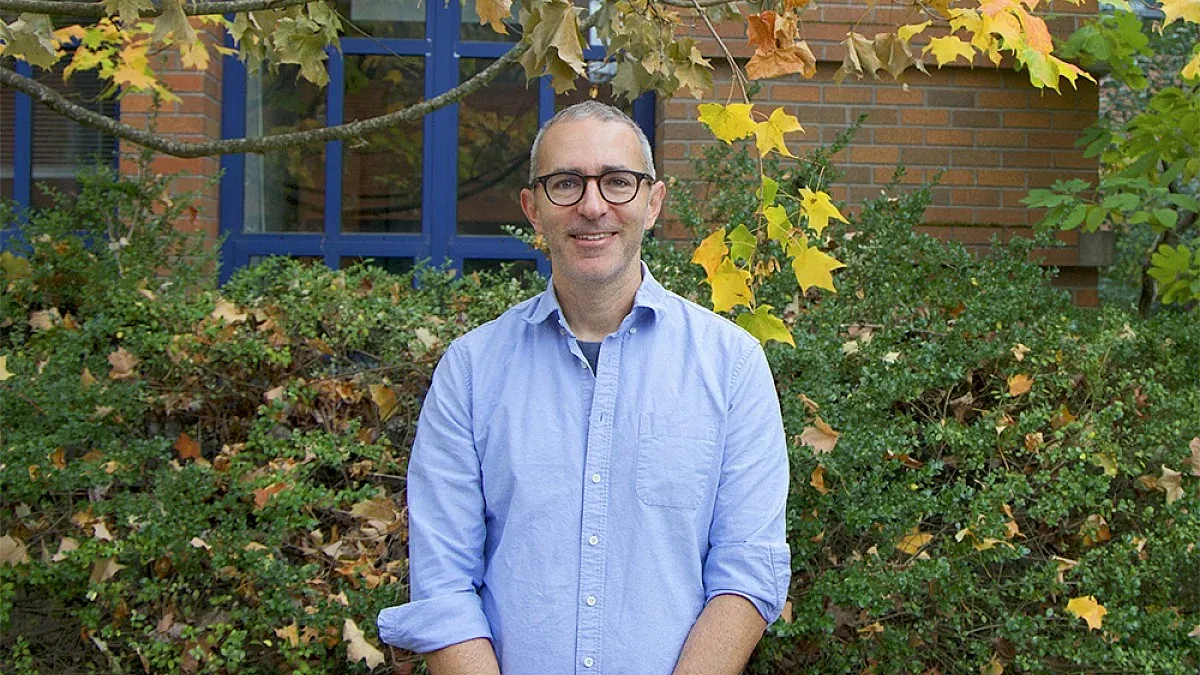
headshot of Brice Kuhl standing in front of a brick building

CAS Spotlights

Unlocking
Memory

Brice Kuhl receives the Posner Professorship for his investigation of how our brains encode memories. 

By Leo Brown

An exoplanet orbiting a sun with stars and galaxy in the background

Experiential Learning

Strange New Worlds

Could life exist elsewhere in the Milky Way galaxy? A group of undergraduate planet hunters are helping NASA discover unknown worlds beyond our solar system. 

By Nicole Krueger

Experiential Learning

Learn Today, Change Tomorrow

Research and scholarship in the College of Arts and Sciences are so forward-thinking at times, they almost feel like science fiction. That’s what real innovation looks like—and our undergraduate students are getting in on the action through experiential learning opportunities that prepare them for cutting-edge careers.

Discover what Dean Chris Poulsen has to say about how experiential learning propelled him toward a career as a climate scientist.

CAS News

THEATRE ARTS — Love, mischief and mistaken intentions take center stage this winter as University Theatre presents “Much Ado About Nothing” by William Shakespeare. Directed by Jerry Ferraccio, the production marks the grand reopening of Robinson Theatre and runs Feb. 13, 14, 20, 21, 22, 27, 28 and March 1.
PHYSICS - A supermassive black hole with a case of cosmic indigestion has been burping out the remains of a shredded star for four years — and it’s still going strong, new research led by University of Oregon College of Arts and Sciences astrophysicist Yvette Cendes. Cendes and her team published findings about this one-of-kind black hole in the Feb. 5 issue of Astrophysical Journal Astrophysicists.
PHYSICS - Fascinated by the unexplored corners of the universe since childhood, physicist Tien-Tien Yu has made dark matter the pillar of her research career. In her quest to understand, she’s co-founded a major experiment in collaboration with physicists at other institutions, all of whom are trying try to bring light to the dark.

All news »


From the Media

Expanding access to testosterone for men's libido is ultimately about defining manhood, said Alison Gash, professor and chair of political science at the College of Arts and Sciences, who studies gender and LGBTQ+ issues. "If you are a desexualized man, then you're deviating from the expectations that make you valued according to your gender, especially in this administration," Gash told the media organization The 19th News Network.
An NPR deep dive on the potential government interference in AI chatbots references research by College of Arts and Sciences sociologist Hannah Waight. Waight, an assistant professor, and her co-author found the Chinese government's grip over the media seems to have given it some influence over LLM responses in Chinese. Waight's research was published in Nature.
As rising temperatures begin to impact marathon race days and runners, organizers are moving race days to cooler days. The Associated Press spoke with Chris Minson, a University of Oregon College of Arts and Sciences professor who researches how people can adapt to extreme heat and other environmental conditions. He said the optimum temperature to run a marathon is about 50 degrees (10 C). As the temperature creeps into the upper 50s and 60s, the body has a tougher time supplying blood to muscles while also keeping the body cool.

All media news »

Connect with Us

Subscribe

CAS Connection is produced by the CAS Communications Department and edited by Nicole Krueger.

Got something to say? Send us your story ideas or contact us at CASConnection@uoregon.edu.

We know you don’t want to miss a single moment of CAS greatness. Stay plugged into the #CASCommunity by following us on your favorite channels.

Facebook icon YouTube icon Instagram icon Linkedin icon