
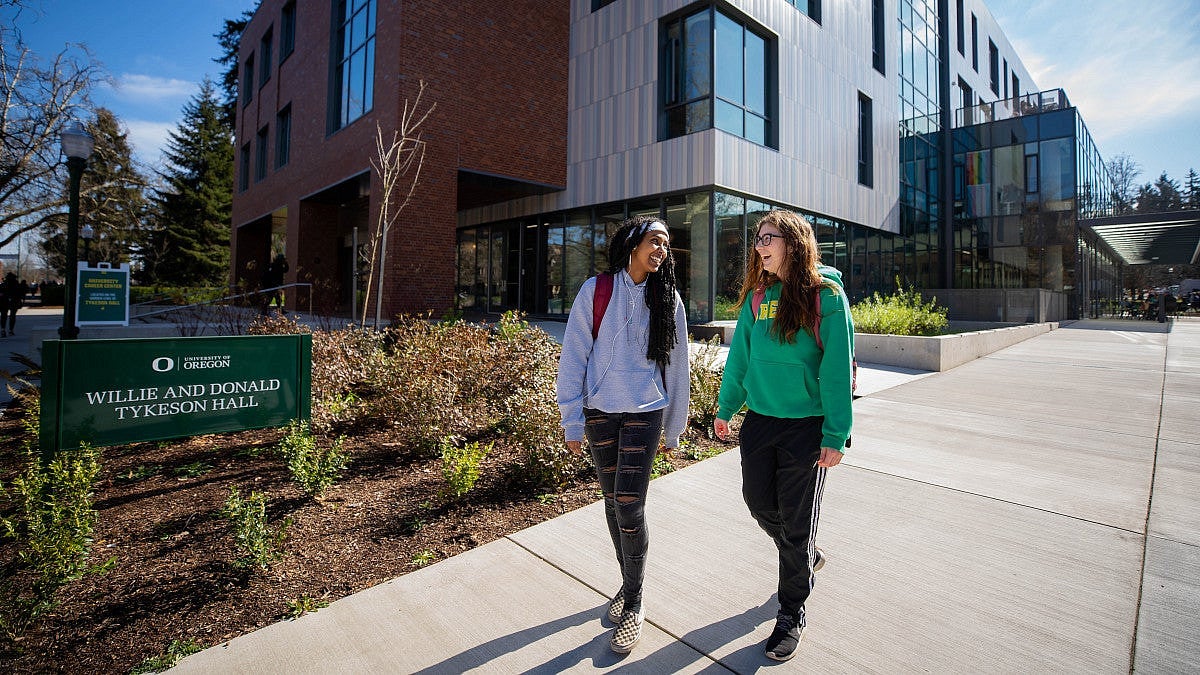
By Jenny Brooks, College of Arts and Sciences
—Sonia Gordillo, Academic and Career Advisor
Division of Natural Science and Pre-Health
It’s the beginning of a new academic year! There are so many things to think about and decisions to make. How can you be sure you’re thinking about the right things and making the right decisions when it comes to your college education? As a student with a major in the College of Arts and Sciences (CAS), that is exactly what your CAS Academic Advising team is for.
CAS Academic Advising is a team there to help you chart your path and help you uncover the possibilities all while helping you stay on track to graduate in a timely manner.
As you think about how, why and when to access your advisor this academic year, CAS Communications asked three academic advisors to share how students should include advising in alltheir pursuits.
Nate Wilkerson, Academic and Career Advisor, Division of Humanities
What kind of support can students expect from their academic advisor?
We start by seeing each student as a whole person.
When you arrive in our offices, you can expect advisors to ask lots of questions — not all of which are centered on academics — because we’re hoping to help you create a meaningful experience here at UO, both inside and outside of the classroom.
We want to help you find the right study abroad program, and we want to get you into an appropriate internship. If you’re passionate about research, we want to find a discipline you’re passionate about. And if you don’t know the answer to any of these things when we first meet you, that’s totally OK.
Our job is to make sure you have a complete experience that prepares you for the day you’re no longer a student.
How do you make sure each student’s goals for college and graduation are treated individually?
My approach to this is to lay out all the possible pathways and discuss pros and cons with each student. There is no single right path to graduation; I like to let students know that I took longer than four years finish my undergraduate degree, and I didn’t lose any opportunities because of that.
Ultimately, each student has a unique set of circumstances that make different pathways appropriate for them. My job is to explain what each route looks like and what students need to do to make those routes possible.
Then they can use that information in conversation with their support systems to choose what’s right for them.
Ellen Fields, Academic and Career Advisor, Division of Social Sciences
What would you say is the most common question you get from students?
Two of the most common and important questions I get from students are “How do I find….” or “Where do I go to …?”
It’s a big part of my role to support students in finding the campus resources they could benefit from, figure out how to access the most up-to-date information and then problem solve for the next steps to take.
Everyone in CAS Academic Advising is working to empower students to advocate for themselves.
What if a student doesn’t “vibe” with their advisor? Do they have options?
“Vibe” is very important when talking to someone about planning your future and reflecting on your current and past academic experiences!
Advisors across campus all use the same note-taking system, so we can seamlessly pick up where other advisors have left off with a student, no questions or explanation from the student why they switched advisors.
Our advising approach is student-centered, meaning the student is in the driver’s seat. You can come and go as you need the support.
Sonia Gordillo, Academic and Career Advisor, Division of Natural Science and Pre-Health
How do you support students’ interests as they come through advising so they get the most from CAS’s liberal arts curriculum?
As a natural science/pre-health advisor, we have many students who LOVE science but may be unaware or uninformed about the purpose of liberal arts requirements. This is where I get to have fruitful conversations with students about the translation of their education to their career interests.
A career in the health profession means that you must have a good understanding of the issues and challenges that are shaping the lives of communities, people and ultimately the patients you will treat. So, when a student comes in and meets with an academic advisor — for all majors — there is the transactional piece of “these are your core-ed requirements and this is what you have left to take,” and then there is the “what do you want to gain from these final requirements, what would you like to explore and learn about?”
It’s my job to guide students towards achieving their goals, which comes with taking the time to do the exploration and discovery.
Top 5 Tips for Maximizing Academic and Career Advising
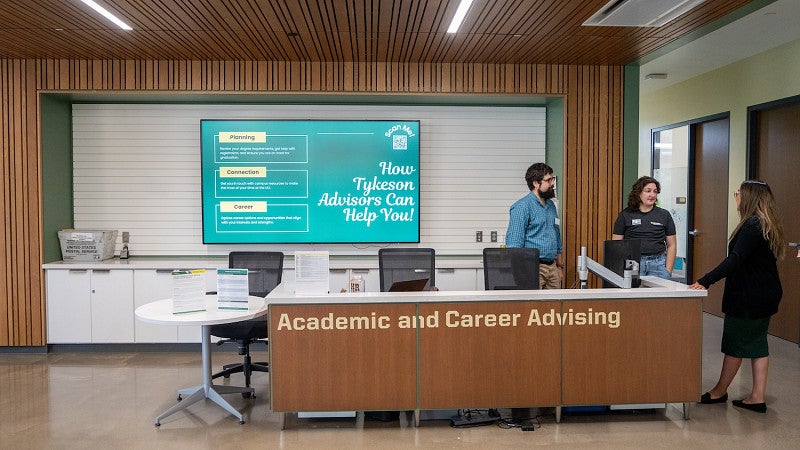
Advisors in CAS Academic Advising recommend students:
- Connect with an advisor at least once per year.
- Plan ahead, when possible, to avoid the busiest weeks. Learn which advising services are available each week.
- Be open to exploring courses in a diverse range of majors to discover an unexpected passion or career path.
- Ask about opportunities outside of the classroom, such as student groups, study abroad programs and internships.
- Check out the resources from CAS CareerLab . You can find information about scholarships, learn about Global Career Accelerator courses, access an inventory of career preparation opportunities, and so much more.
- Get more on the student perspective and read “Meeting Students Where They Are.”