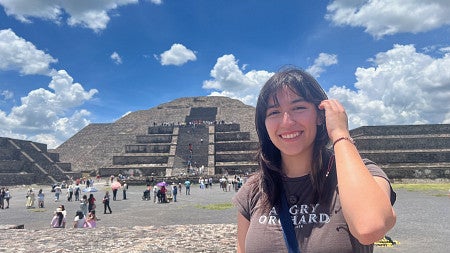
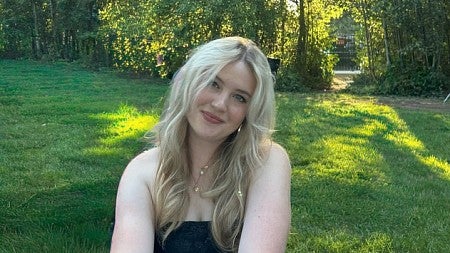
GENERAL SOCIAL SCIENCES, SPANISH — Some students study abroad for a chance to learn a new language, to immerse themselves in a different culture, to gain work experience or for personal growth. Junior Jolie chose Querétaro because she wanted to gain a better understanding of Spanish and the Mexican culture.
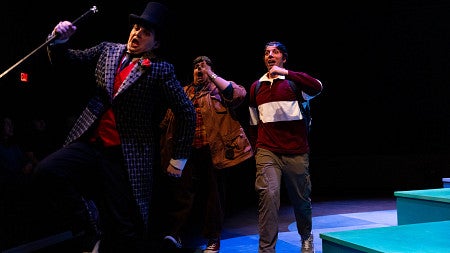
THEATRE ARTS — When disaster strikes in a play, audiences get to watch from the safety of their seats as characters wrestle with what comes next, always hoping for a happy ending. During its 2026-27 season, the University of Oregon’s University Theatre is producing four shows that promise to take audiences on a cathartic and rewarding journey, beginning in November with "Noises Off."
ENGLISH - CAS undergraduate student Sarah Twiggs’ short story takes the perspective of an ant to win flash fiction contest. "The story was also inspired by the work I’ve been doing with posthumanism in a few of my classes," Twiggs said. "I find it really interesting to de-center the human perspective and consider new ways of thinking and being."
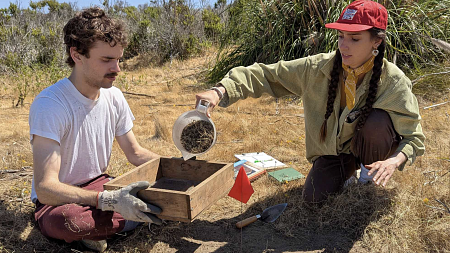
SOCIOLOGY - As part of the University of Oregon’s Museum of Natural and Cultural History summer field school, the students are spending a month immersed in Indigenous cultural landscapes while studying archaeology, history and ecology and, at the same time, helping restore oyster beds. They’re learning vital career skills while helping usher in a new era of archaeology with Gabe Sanchez, a CAS assistant professor of sociology.
CINEMA STUDIES - CAS senior Elle Thompson is a cinema studies major who's had multiple internships to get experience and exposure to different parts of the cinema industry. She landed a casting internship with Cast Iron Studios thanks to a cinema studies course and her persistence.
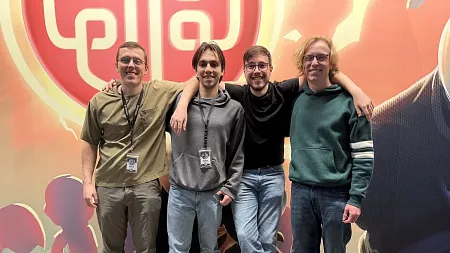
PHYSICS - During the last week of August, the University of Oregon Eugene campus was home to the Europa Clipper Project Science Group meeting, offering College of Arts and Sciences students a chance to see a space mission team at work and inspire them to become the next generation of planetary scientists.
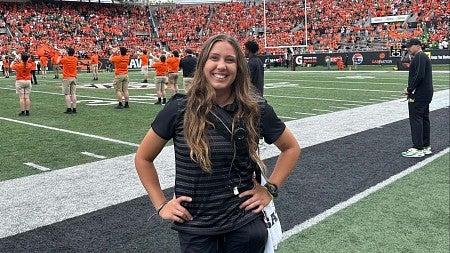
HUMAN PHYSIOLOGY - Thanks to human physiology internships, these students are getting hands-on lessons in medicine and helping Ducks athletics soar. “Not all students can afford to volunteer to have access to these experiential learning opportunities,” says Amy Sibul, internships and career readiness director for the Department of Human Physiology. “We’ve received a lot of feedback over the years that this is a powerful experience, but students were really struggling to afford their lives.
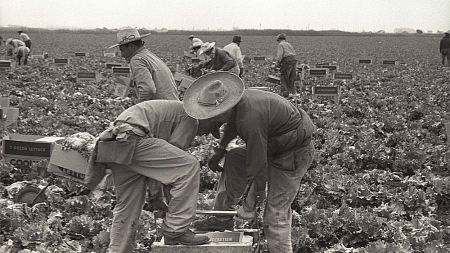
HISTORY - Julie Weise’s research on temporary migrant work policies is one of many projects around the country to lose NEH funding, but she remains focused on her work. Her upcoming book, "Guest Worker: Lives across Borders in an Age of Prosperity, 1919-1975," looks at how this type of international policy agreement evolved during the mid-20th century, with a focus on the experiences of temporary workers in more economically prosperous countries: Mexicans in the US, Malawians in South Africa and Spaniards in France.