CAS Connection - June 2025 Issue

CAS Connection logo
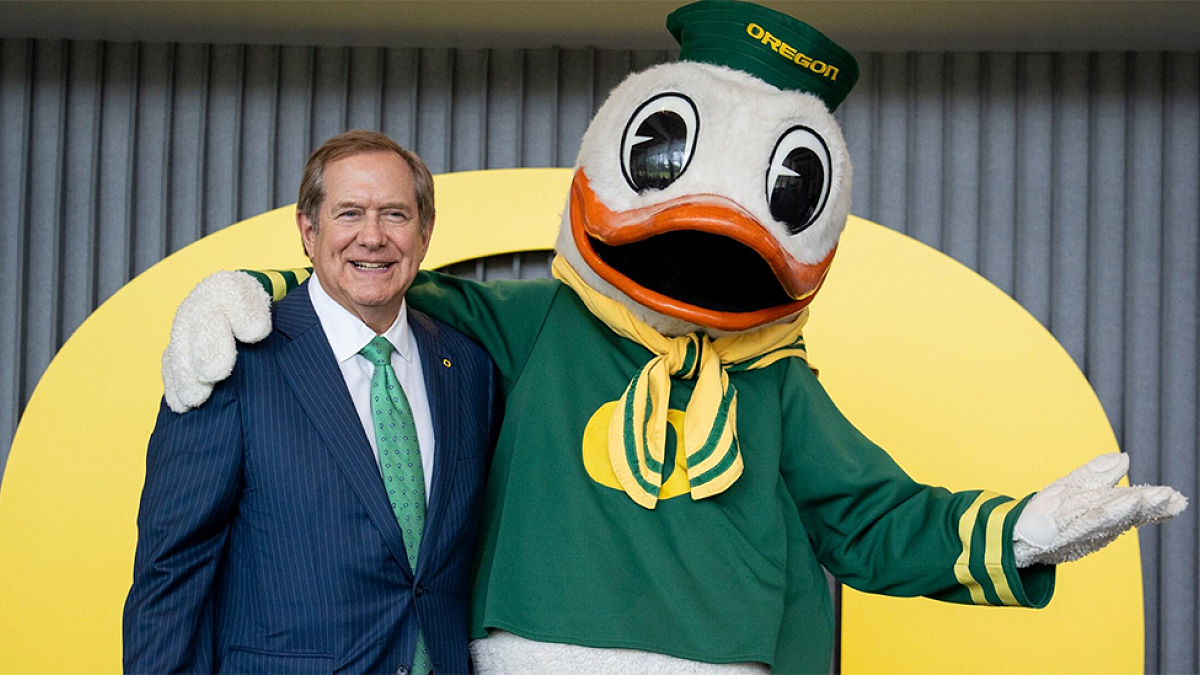
Jordan Schnitzer posing with the Oregon Duck mascot

Expanding Our Global Reach

Philanthropist and alum Jordan Schnitzer shares his thoughts on living in an ever-globalizing world—and his hopes for the Schnitzer School of Global Studies and Languages.

By Jenny Brooks and Henry Houston

Experiential Learning  |  Research & Innovation  |  Community Impact  |  Career Preparation  |  Teaching Excellence  |  21st Century Liberal Arts  |  Building Community  |  Good Vibes  |  CAS Spotlights  |  All Stories  |  Past Issues
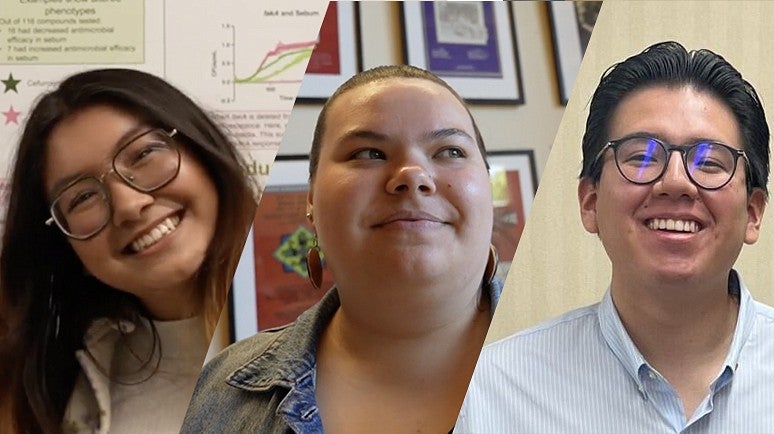
 

3 people from graduating class of 2025

CAS Spotlights

Ready to Take on the World

Equipped with a liberal arts degree, these graduating seniors are prepared to forge their own path.

By Grace Connolly
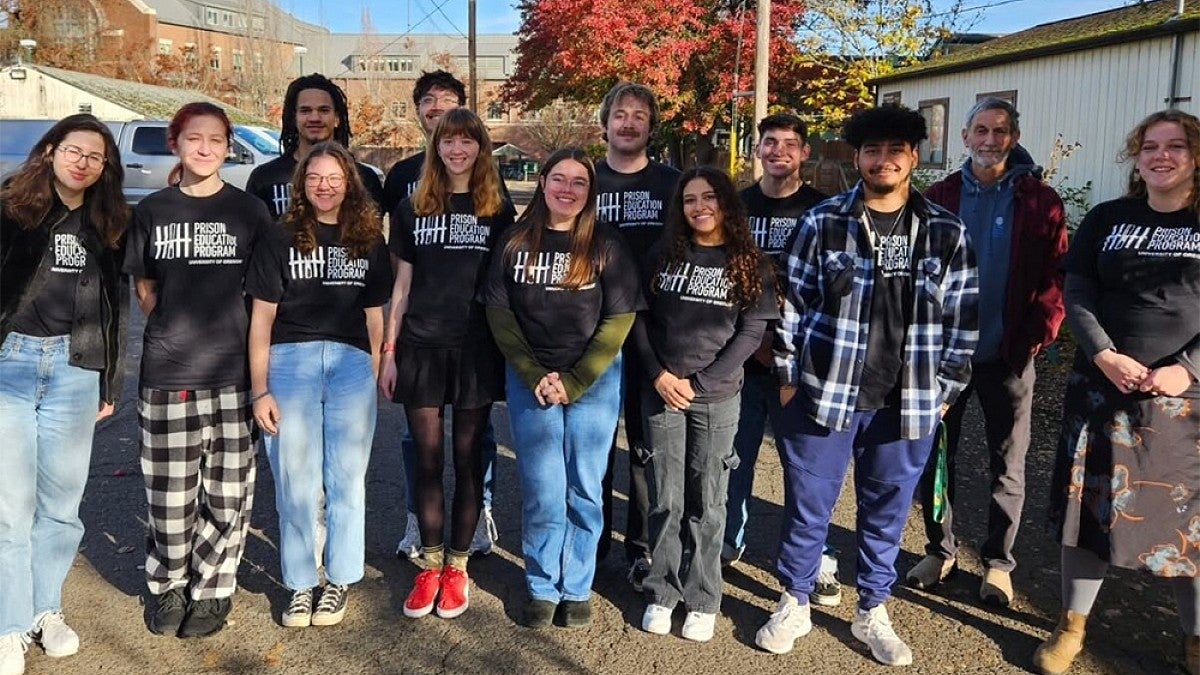
Group of students posing together standing in a street

Community Impact

Turning College Inside Out

A class inside Oregon’s prisons helps students find meaning—and, for some, transformation.

By Henry Houston
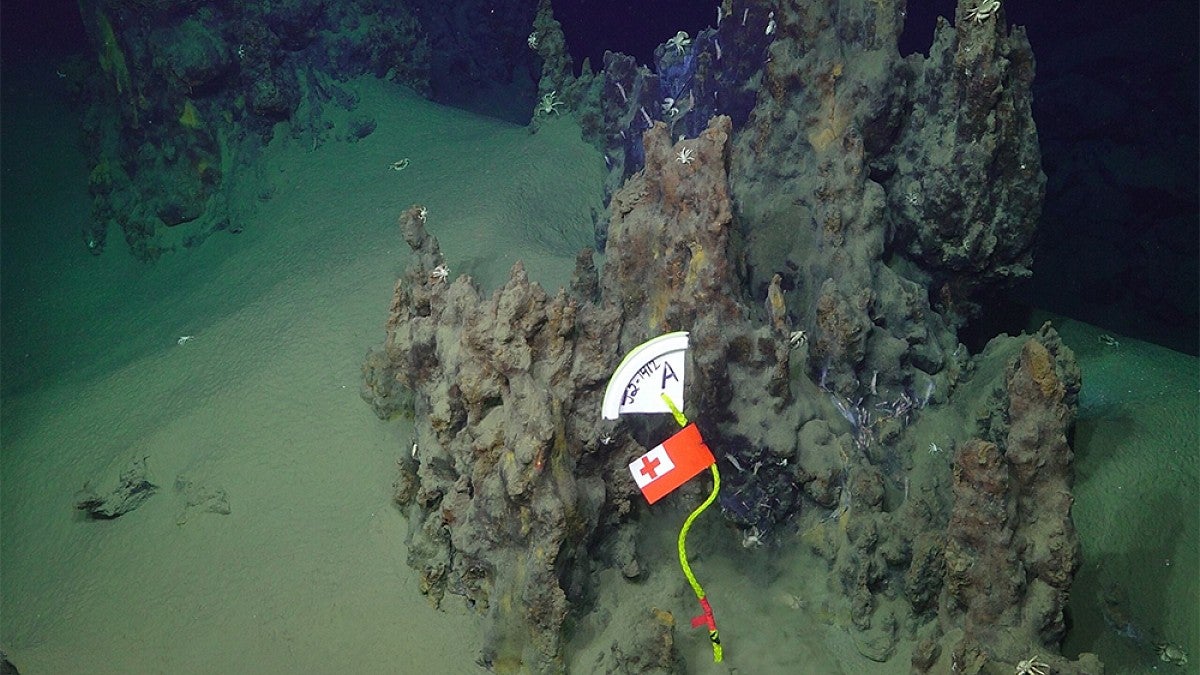
Ocean floor with a sediment probe floating above it

Research & Innovation

Exploring Volcanic Fallout

A student’s discovery of ash from an underwater volcano will shape scientific research for years to come.

By Leo Brown

Comic book cover with the Joker character

CAS Spotlights

Villainy Is No Laughing Matter

Professor explores why the Joker is a beloved character despite—or because of—the mayhem he sows.

By Jenny Brooks

Illustration of an old theater

Research & Innovation

The Show Must Go On

A groundbreaking digital humanities project brings theater history to the public, despite federal funding cuts.

By Jenny Brooks
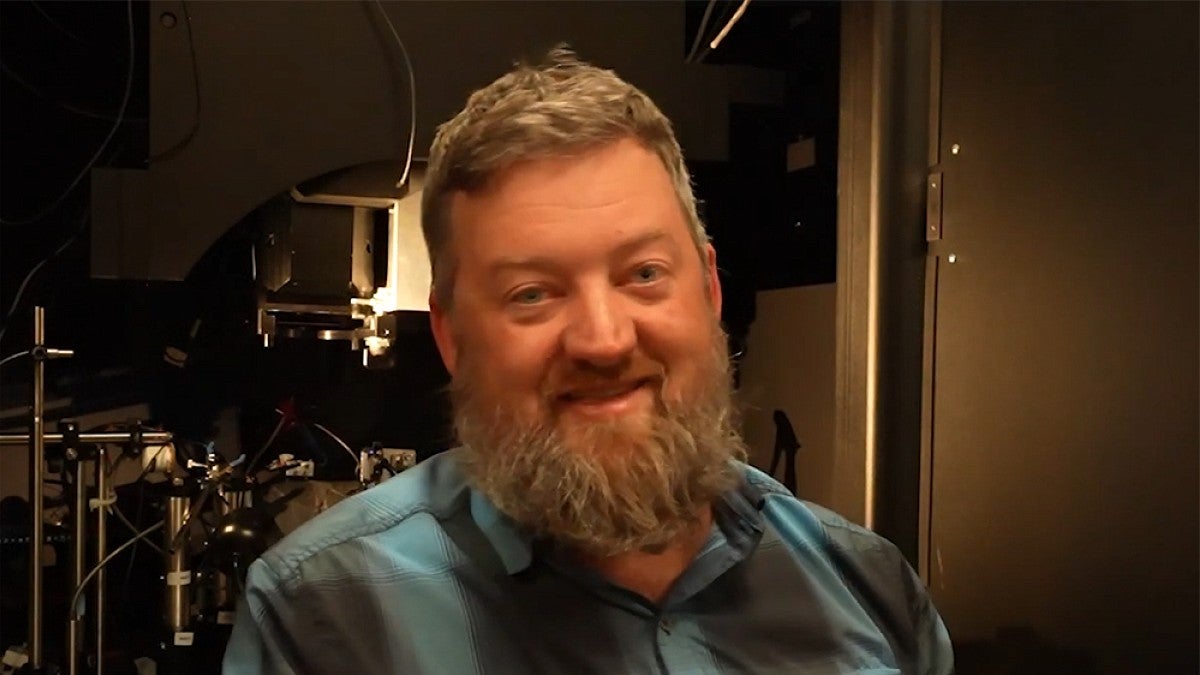
Evan Vickers

CAS Spotlights

A Window to the Brain

A postdoctoral neuroscientist is expanding our ability to study how the brain responds to different types of stimulation.

By Nicole Krueger
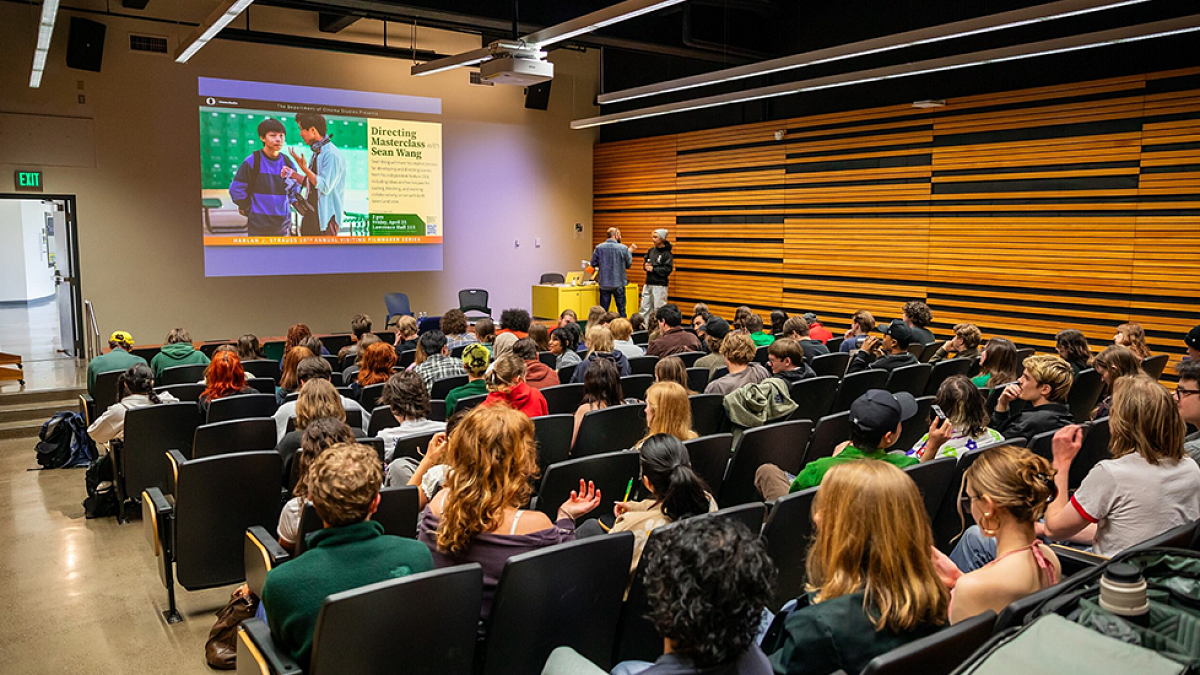
A classroom fille dwith students and a projector screen at front

Career Preparation

Peeking Behind the Curtain

Visiting filmmaker series helps cinema studies majors connect with mentors in the movie industry—and learn how films really get made.

By Jenny Brooks
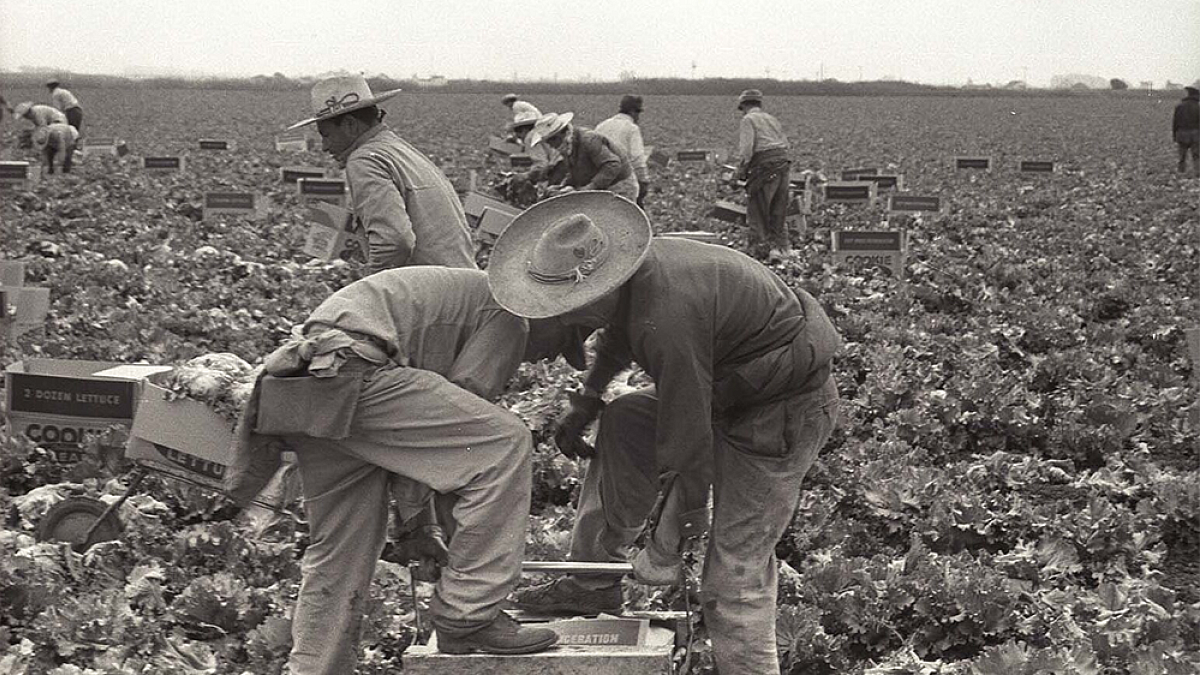
Laborers from Mexico work on a farm in Salinas Valley, California, as part of a temporary labor initiative between the United States and Mexico.

Research & Innovation

Life as a Migrant Worker

A historian’s research on temporary migrant work policies is one of many projects around the country to lose NEH funding.

By Henry Houston

Message from the Dean

You’re Making an Impact

Thinking critically, speaking out and engaging with the world is more critical now than ever. As CAS graduates prepare to step into their new role as global citizens, Dean Chris Poulsen offers advice on the power of giving back.


CAS News

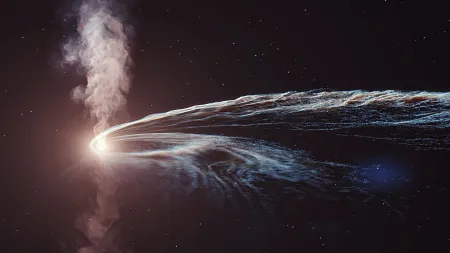
PHYSICS - A supermassive black hole with a case of cosmic indigestion has been burping out the remains of a shredded star for four years — and it’s still going strong, new research led by University of Oregon College of Arts and Sciences astrophysicist Yvette Cendes. Cendes and her team published findings about this one-of-kind black hole in the Feb. 5 issue of Astrophysical Journal Astrophysicists.
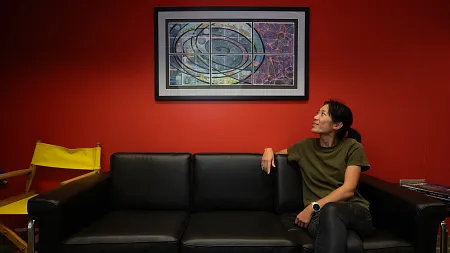
PHYSICS - Fascinated by the unexplored corners of the universe since childhood, physicist Tien-Tien Yu has made dark matter the pillar of her research career. In her quest to understand, she’s co-founded a major experiment in collaboration with physicists at other institutions, all of whom are trying try to bring light to the dark.
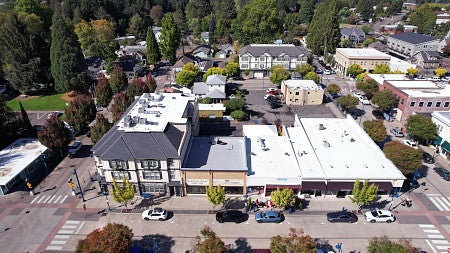
ANTHROPOLOGY, POLITICAL SCIENCE - College of Arts and Sciences alumni were among the 200 alumni who gathered for the 10th annual UO Board Summit. The alumni that attended included Natalie Poole, BA '80 (political science) who is a senior vice president at Wells Fargo Capital Finance and triple Duck David Lewis, PhD, '09 (anthropology) who serves as an assistant professor at Oregon State University.

All news »


From the Media

The New York Times included College of Arts and Sciences food studies expert Hannah Cutting-Jones in a roundup of experts about the claim that protein is a nutrient that keeps people satiated. Cutting-Jones said that the idea that protein is uniquely satiating and helpful for weight loss goes back decades.
People generally consume two species of coffee bean — robusta and arabica, explains Christopher Hendon, a College of Arts and Sciences associate professor of chemistry and a leading coffee scientist. Hendon spoke with the Daily Mail about coffee beans.
Across sports like long-distance running, cycling, and triathlon, athletes are using science-backed interventions to push the limits of what the human body can do. Men's Journal interviewed College of Arts and Sciences human physiology researcher Brad Wilkins about which strategies tap into the basic physiological principle of improving the body’s ability to deliver oxygen efficiently.

All media news »

Connect with Us

Subscribe

CAS Connection is produced by the CAS Communications Department.

Got something to say? Send us your story ideas or contact us at CASConnection@uoregon.edu.

We know you don’t want to miss a single moment of CAS greatness. Stay plugged into the #CASCommunity by following us on your favorite channels.

Facebook icon YouTube icon Instagram icon Linkedin icon